

In an era marked by rapid environmental change and increasing resource demands, geospatial intelligence (GEOINT) emerges as a powerful tool for fostering sustainability. By integrating geographic information systems (GIS), remote sensing, and data analytics, geospatial intelligence enables better decision-making to address complex environmental and societal challenges.
Understanding Geospatial Intelligence
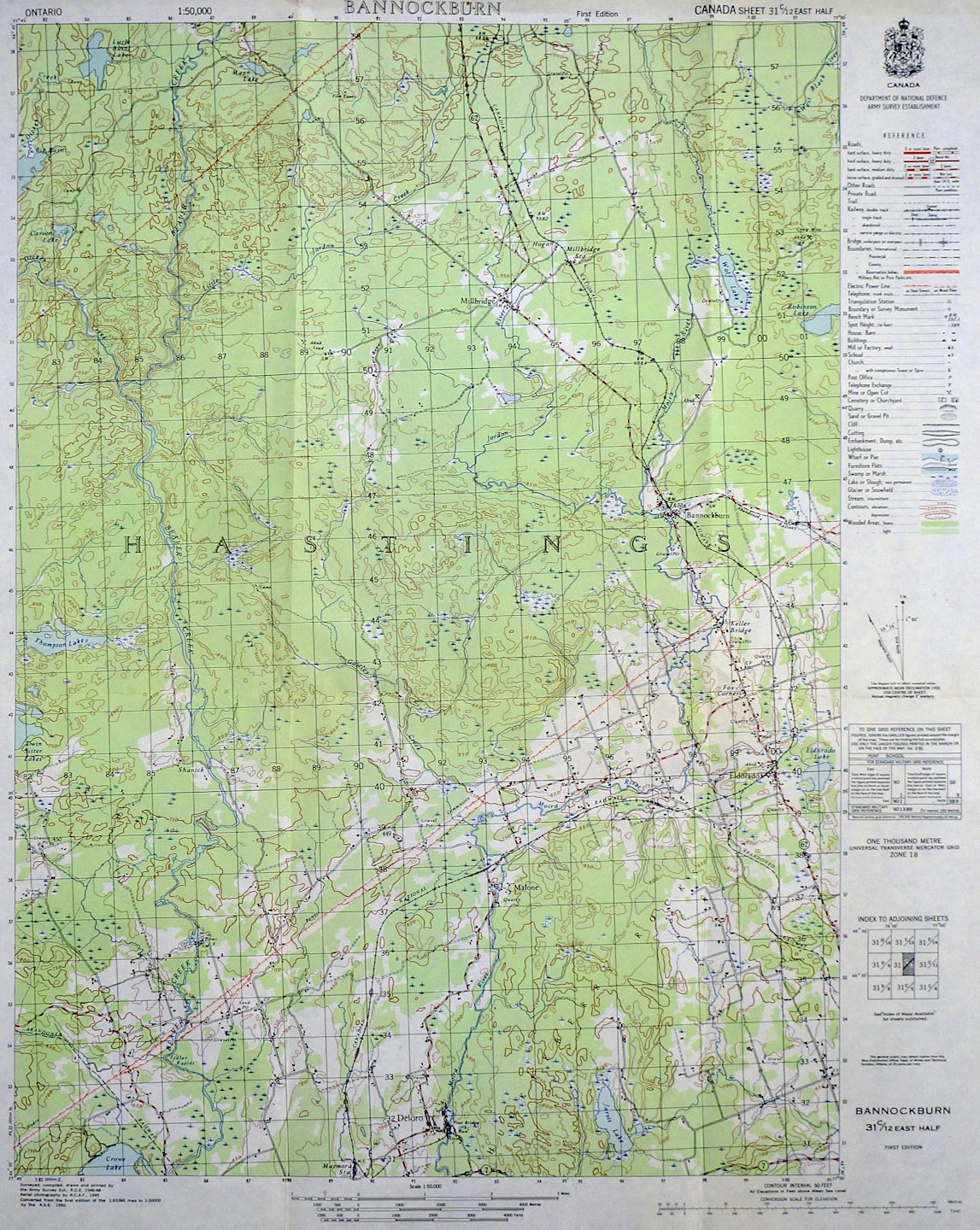
Geospatial intelligence involves the collection, analysis, and interpretation of geographic information to provide insights into physical locations, patterns, and trends. It combines satellite imagery, aerial photography, sensor data, and mapping technologies to create detailed representations of the Earth’s surface and human activities.
Applications in Sustainability
- Environmental Monitoring
Geospatial intelligence plays a crucial role in tracking deforestation, desertification, and habitat loss. By monitoring changes in land use and vegetation cover, scientists and policymakers can implement timely interventions to protect ecosystems and biodiversity. - Disaster Management
Accurate geospatial data aids in predicting natural disasters such as floods, wildfires, and hurricanes. Early warning systems powered by GEOINT help communities prepare and respond effectively, minimizing damage and saving lives. - Urban Planning
Sustainable urban development requires understanding spatial relationships within cities. Geospatial intelligence supports smart city initiatives by optimizing land use, transportation networks, and resource distribution to reduce environmental impact. - Agriculture and Food Security
Precision agriculture leverages GEOINT to enhance crop yields and reduce resource consumption. By analyzing soil conditions, weather patterns, and crop health, farmers can make informed decisions that promote sustainable farming practices. - Climate Change Mitigation
Geospatial data is vital for modeling climate scenarios and assessing carbon footprints. It assists in identifying renewable energy sites, monitoring emissions, and evaluating the effectiveness of mitigation strategies.
Challenges and Future Directions
While geospatial intelligence offers immense potential, challenges such as data privacy, accessibility, and integration remain. Efforts to democratize GEOINT tools and improve data sharing among stakeholders are essential for maximizing its impact.
Looking ahead, advancements in artificial intelligence and machine learning will enhance the processing and interpretation of geospatial data, enabling more precise and real-time insights. Collaborative platforms that unite governments, researchers, and communities will further drive sustainable outcomes.
Conclusion
Harnessing geospatial intelligence is pivotal for building a sustainable future. By providing critical insights into our environment and human activities, GEOINT empowers informed decision-making that balances development with conservation. Embracing this technology will be key to addressing global challenges and securing a resilient planet for generations to come.
Harnessing Geospatial Intelligence for a Sustainable Future
In an era marked by rapid environmental changes and growing urban populations, the need for sustainable development has never been more critical. Geospatial intelligence (GEOINT) plays a pivotal role in addressing these challenges by providing crucial insights through the collection, analysis, and visualization of spatial data. By leveraging GEOINT, policymakers, scientists, and planners can make informed decisions that promote sustainability and resilience.
Understanding Geospatial Intelligence
Geospatial intelligence involves the gathering and interpretation of data related to the Earth’s surface and human activities. This data is typically captured through satellites, aerial imagery, geographic information systems (GIS), and remote sensing technologies. The integration of these data sources allows for comprehensive mapping and monitoring of environmental conditions, land use, natural resources, and infrastructure.
Applications in Sustainable Development
- Environmental Monitoring: GEOINT enables continuous observation of ecosystems, helping detect deforestation, desertification, and pollution. Early identification of such issues facilitates timely intervention to protect biodiversity and natural habitats.
- Urban Planning: With the help of spatial analysis, urban planners can design cities that optimize land use, reduce traffic congestion, and manage resources efficiently. Smart city initiatives often rely on GEOINT to integrate transportation, energy, and waste management systems sustainably.
- Disaster Management: Geospatial intelligence aids in predicting natural disasters like floods, wildfires, and hurricanes. By mapping vulnerable areas and monitoring weather patterns, authorities can develop effective evacuation plans and mitigate damage.
- Agriculture and Food Security: Precision agriculture uses geospatial data to monitor soil health, crop conditions, and water usage. This approach increases yield while minimizing environmental impact, ensuring food security for growing populations.
- Climate Change Adaptation: GEOINT supports climate modeling and impact assessments, helping communities adapt to changing conditions. It assists in identifying areas at risk from sea-level rise, droughts, or extreme weather, guiding resilient infrastructure development.
Challenges and Future Directions
While geospatial intelligence offers immense benefits, challenges such as data privacy, accuracy, and accessibility remain. Ensuring equitable access to geospatial technologies and training is essential to maximize their impact globally. Additionally, integrating artificial intelligence and machine learning with GEOINT can enhance data processing capabilities, leading to more precise and timely insights.
Conclusion
Harnessing geospatial intelligence is crucial for building a sustainable future. By providing detailed and actionable information about our planet, GEOINT empowers decision-makers to balance development needs with environmental stewardship. Embracing these technologies will be key to overcoming the complex challenges of sustainability and securing a healthier planet for future generations.
Leave a Reply